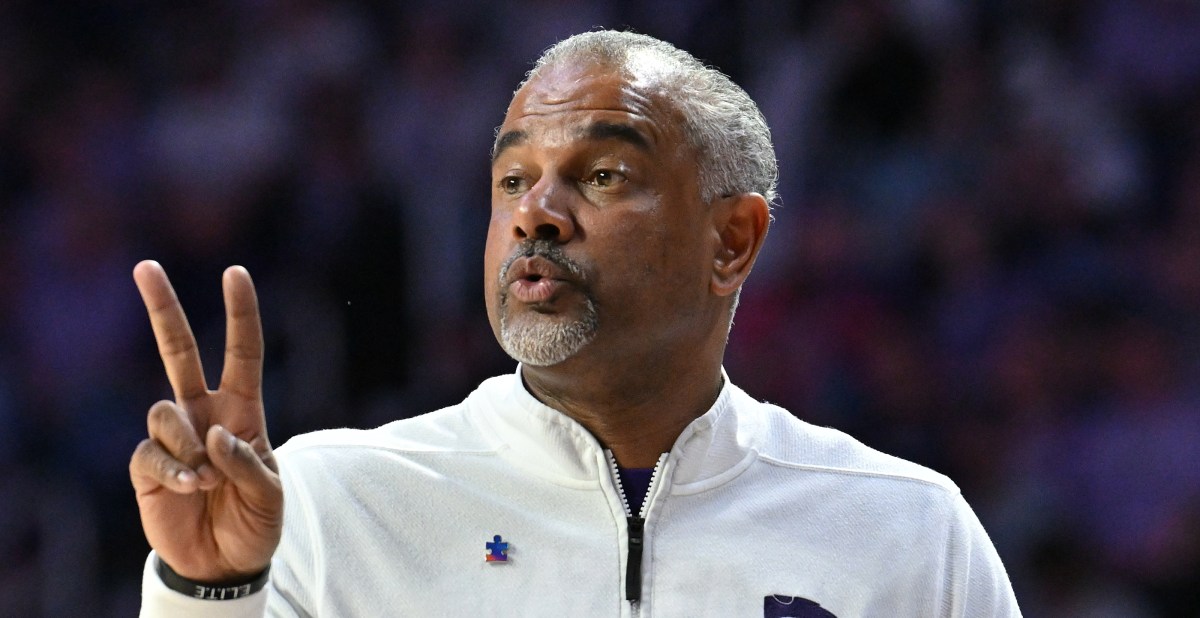
The Shockwave in Manhattan: Jerome Tang's Abrupt Departure from Kansas State
The landscape of college basketball coaching was significantly altered on a recent Sunday night as Kansas State University announced the firing of head men's basketball coach Jerome Tang. This move, coming amidst a challenging season where the Wildcats struggled to a 1-11 record in Big 12 play, sent ripples through the collegiate athletic community. While on-court performance often dictates a coach's fate, K-State's decision to terminate Tang "for cause" suggests a more complex narrative, setting the stage for a potentially protracted and high-stakes legal battle over his substantial contract buyout.
Tang, who served as a longtime assistant under Scott Drew at Baylor, initially brought a wave of excitement to Manhattan. His inaugural season saw the Wildcats defy expectations, not only securing 26 wins but also making a memorable run to the Elite Eight. That impressive debut, however, proved to be the peak of his tenure. The subsequent two seasons witnessed a significant decline, with the program missing the NCAA Tournament in both and heading towards its second consecutive losing season overall. The recent six-game losing streak, culminating in a humbling 29-point home loss to Cincinnati, seemingly pushed the university to its breaking point, signaling the urgency for change.
Unpacking the "For Cause" Firing: More Than Just On-Court Woes
Kansas State's decision to fire Jerome Tang "for cause" elevates this coaching change beyond a typical performance-based dismissal. This legal distinction is crucial because it often implies a breach of contract related to conduct, integrity, or adherence to institutional standards, potentially allowing the university to avoid paying a significant portion, or even all, of a coach's remaining buyout. For a deeper dive into the specific reasons beyond the win-loss record, explore Jerome Tang Firing: K-State's Reasons Beyond On-Court Performance.
The Incendiary Comments and Controversial Actions
While the team's downward trend was undoubtedly a major factor, reports indicate that specific public comments and actions by Coach Tang played a pivotal role in the "for cause" determination. Days before his termination, in the wake of the devastating loss to Cincinnati, Tang made headlines with a fiery post-game outburst. He publicly stated that his players "do not deserve to wear this uniform," adding, "There will be very few of them in it next year. I'm embarrassed for the university, I'm embarrassed for our fans, and our student section. It's just ridiculous."
The controversy escalated when, for the subsequent game against No. 3 Houston, Kansas State's jerseys appeared without any players' names on the back—a move widely interpreted as a direct message from Tang to his team following his scathing remarks. While attempting to motivate or discipline, such public criticism and symbolic actions can be perceived by university administrations as detrimental to the institution's image, player welfare, and adherence to professional conduct clauses often embedded in coaching contracts. Athletic Director Gene Taylor alluded to this directly, stating that "recent public comments and conduct, in addition to the program's overall direction, have not aligned with K-State's standards."
For universities, maintaining a positive public image and ensuring a supportive environment for student-athletes are paramount. When a coach's actions, regardless of intent, are seen to undermine these values, it can trigger clauses that define "for cause" termination. This often involves a subjective interpretation of what constitutes "conduct detrimental to the university" or a "failure to uphold institutional values," opening the door for legal disputes.
The Looming Buyout Battle: A High-Stakes Legal Showdown
At the heart of the "for cause" firing lies a substantial financial stake: Jerome Tang's contract included an $18.675 million buyout if he were to be dismissed before April 30, 2026. This staggering figure, as reported by USA Today, is a significant sum for any university, and it provides a clear incentive for Kansas State to pursue a "for cause" termination aggressively. By successfully arguing that Tang breached his contract through his conduct, the university aims to avoid paying this hefty sum, or at least significantly reduce it.
However, securing a "for cause" victory is often an arduous legal process. Coaching contracts are typically drafted with detailed clauses outlining what constitutes a "for cause" event. These often include provisions related to NCAA violations, criminal conduct, or egregious breaches of professional decorum. Public comments and actions, while potentially embarrassing or detrimental to team morale, fall into a more ambiguous category, making them challenging to argue successfully in court without clear contractual language that defines such behavior as a breach.
Tang's legal team is undoubtedly preparing to counter K-State's claims, arguing that his actions were within the bounds of a coach attempting to motivate a struggling team, or that the university's primary motivation is simply to avoid the buyout. Disputes of this nature frequently involve extensive negotiations between both parties, often culminating in a settlement that falls somewhere between the full buyout and zero. The outcome of this specific "buyout battle" will be closely watched, not only for its financial implications for K-State but also for setting potential precedents in how college athletic programs handle similar situations involving coach conduct.
From Elite Eight Darling to Disputed Exit: The Trajectory of Jerome Tang's Tenure
Jerome Tang's journey at Kansas State was a testament to the unpredictable nature of college sports. Hired in 2022, he inherited a program with potential but quickly transformed it into an Elite Eight contender in his first year, capturing the hearts of the Wildcat faithful. That 26-win season, however, now stands in stark contrast to the subsequent decline. After his stellar debut, Tang's record slipped to 45-47 overall, culminating in the abysmal 1-11 Big 12 performance this season.
The pressure in modern college basketball for sustained success is immense. Athletic programs invest heavily in coaching staff, facilities, and recruiting, expecting immediate and consistent returns. While Tang's initial success bought him significant goodwill, the rapid downturn and the perceived inability to turn the tide quickly eroded that capital. Fans, who once celebrated his arrival, had begun to voice their frustration, with some even wearing paper bags adorned with his buyout figure during the Cincinnati loss.
This trajectory highlights a crucial lesson for coaches and universities alike: early success in a high-pressure environment does not guarantee longevity if subsequent seasons fail to meet expectations. The relentless pursuit of competitive excellence often means tough decisions are made, sometimes at the expense of a coach who once brought significant glory. For a more in-depth look at his tenure's highs and lows, see From Elite Eight to Early Exit: Jerome Tang's K-State Downfall.
Conclusion
The firing of Jerome Tang marks a dramatic and contentious chapter in Kansas State basketball history. What began with the promise of an Elite Eight run quickly devolved into a struggle on the court and a public dispute off it. The university's decision to pursue a "for cause" termination, rooted in Tang's public comments and actions, signals a firm stance against conduct perceived as misaligned with institutional standards, while simultaneously attempting to mitigate an almost $19 million buyout. As the legal teams for both Jerome Tang and Kansas State prepare for what promises to be a challenging negotiation, the broader implications for coach accountability and the interpretation of contractual "for cause" clauses will undoubtedly resonate across college athletics. Meanwhile, Kansas State begins its search for a new leader, hoping to restore stability and competitive fire to its men's basketball program.